
The Vanishing Winter: How Record Cold Masks a Forest Crisis
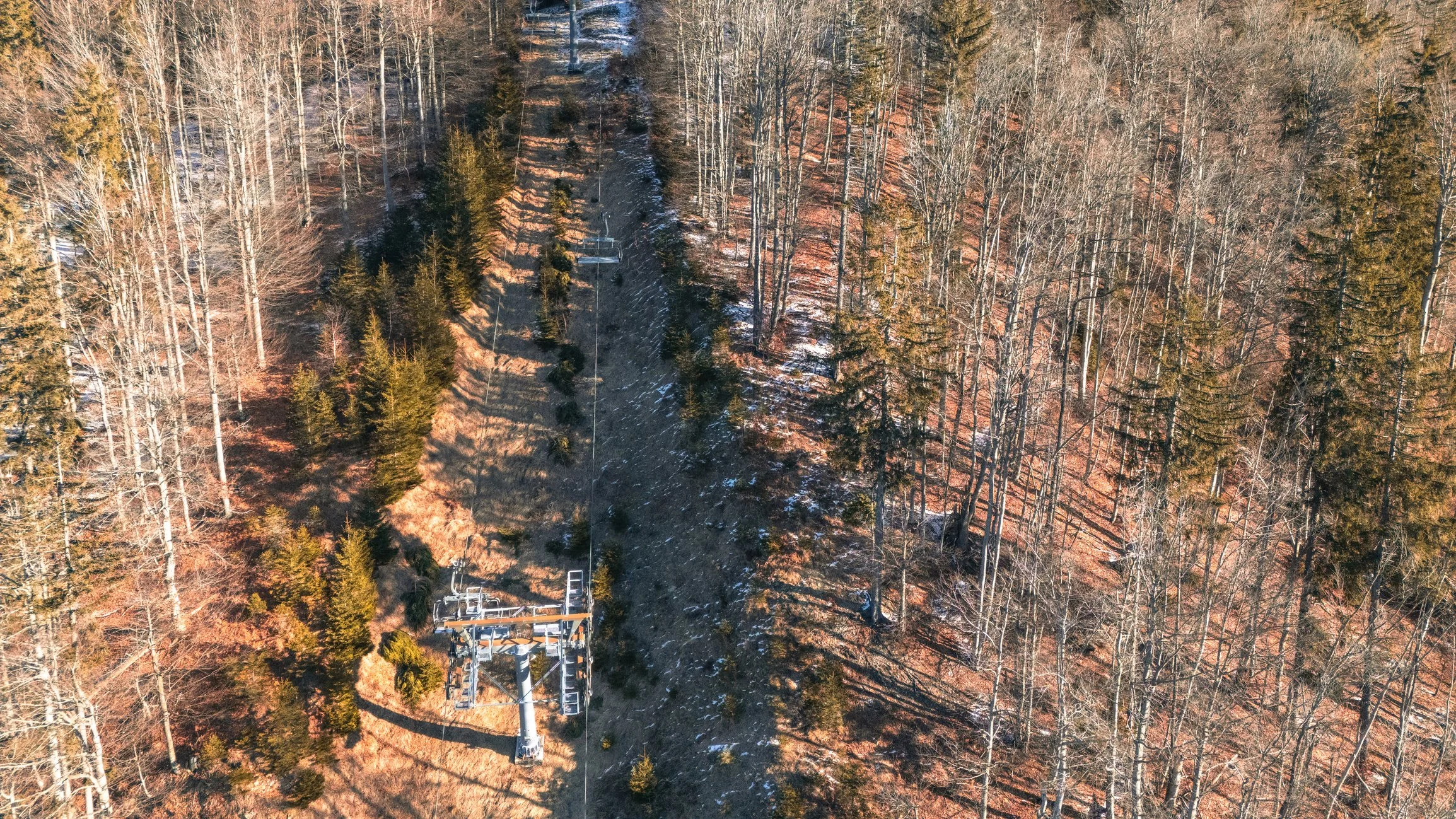
CHALLENGES FEBRUARY 1, 2026
As a massive winter storm sweeps across the United States, blanketing regions from the Southwest to New England in record-breaking snow and ice, it’s easy to assume our winters are as robust as ever. For many, these "polar vortex" events feel like a contradiction to global warming.
However, climate scientists and ecologists warn of a cold paradox: these extreme, erratic cold snaps are the exception, not the rule. While the headlines focus on the temporary deep freeze, the long-term data reveals a much quieter, more permanent shift—our winters are disappearing.
Recent breakthroughs in atmospheric research (2025–2026) explain that this paradox is driven by Arctic Amplification. As the Arctic warms four times faster than the rest of the globe, the jet stream becomes unstable. This causes the polar vortex to "stretch" like a rubber band, allowing freezing Arctic air to spill much further south than usual. These violent bursts of cold are symptoms of a destabilized atmosphere, masking the fact that since 1970, average U.S. winter temperatures have climbed by 3.9°F.
While recent summers have shattered heat records, winters are actually warming faster than summers across most of the U.S. While the fastest winter warming is concentrated in the Northeast and the Great Lakes, the impacts are being felt most acutely in the American West. In these regions, the decline of consistent winter cold is fundamentally altering forest health in three critical ways:
The Loss of "Nature’s Water Tower"
Spring snowpack in the West has declined by nearly 20% since 1955. Without a deep snowpack to insulate the ground, tree roots are exposed to damaging freeze-thaw cycles. And the lack of slow-melting snow leads to "snow droughts," leaving forests bone-dry and vulnerable to high-intensity wildfires by early summer.
Pest Outbreaks Unleashed
Historically, sustained deep freezes acted as a natural check on wood-boring insects. Today, pests like the Mountain Pine Beetle are surviving the milder winters in record numbers. These beetles have already devastated over 85,000 square miles of forest in the western U.S., turning vibrant ecosystems into stands of dry, "dead-standing" fuel for fires.
The Boreal Retreat
In the Great North, forests that store 27% of the world’s carbon are being forced to shift. As southern boreal zones dry out and succumb to infestation—as seen in the historic Canadian fire seasons of 2023-2025—the entire ecosystem is being pushed northward, fundamentally rewriting the seasonal balance our planet depends on.
What Can Be Done
While the risks are significant, proactive measures can strengthen forest resilience:
Forest Management: Invest in practices that promote biodiversity and long-term health.
Pest Control: Develop effective detection strategies to slow beetle outbreaks.
Reforestation: Restore degraded areas using climate-adapted tree species.
Public Awareness: Educate on the vital role forests play in climate stability and water systems.
Policy & Emissions: Implement sustainable land-use policies and address the root cause by reducing greenhouse gas emissions.
The impact of climate change on winter forests is complex and interconnected. Preserving these ecosystems will require a coordinated approach, combining science, proactive management, and policy leadership. Acting now can help mitigate these impacts and preserve our forest ecosystems for generations to come.